

Since August 14, 2025, the regulation implementing Act 16 requires every condominium association in Quebec to issue an annual maintenance book. The deadline for existing associations: August 15, 2028. Three years seems like a long time. In a small building without a manager, that’s just enough time to do nothing, then panic in 2028.
We have already explained What the law actually requires. This time, the question is more grounded: Specifically, what do we start with on Monday morning?
Step 1: Gather what already exists
Most buildings already hold 60% of their ledger, without knowing it. The starting point is a search exercise, not a drafting exercise. In your emails, your binders and the union’s document locker, look for:
- the maintenance contracts in force: roof, elevator, water heater, ventilation, snow removal, mowing;
- the guarantees for the materials and equipment installed, together with the invoices proving the date of installation;
- inspection and expert reports: pre-purchase inspection of the building, engineer reports, assessment of the assessable value;
- the manuals of the manufacturer of the common equipment;
- the invoices for major repairs of recent years.
The regulations require that the booklet contain exactly this information for each component: installation date, required maintenance and frequency, repairs, contracts and warranties. The more complete your initial paperwork is, the fewer hours the professional will spend — and the lower the bill will be.
Step 2: Make the inventory on site, with photos
The professional who will sign the deed must examine the common areas on site, either himself or someone under his supervision. But there is no reason you can’t prepare the ground: a walk through the building, camera in hand, building by building.
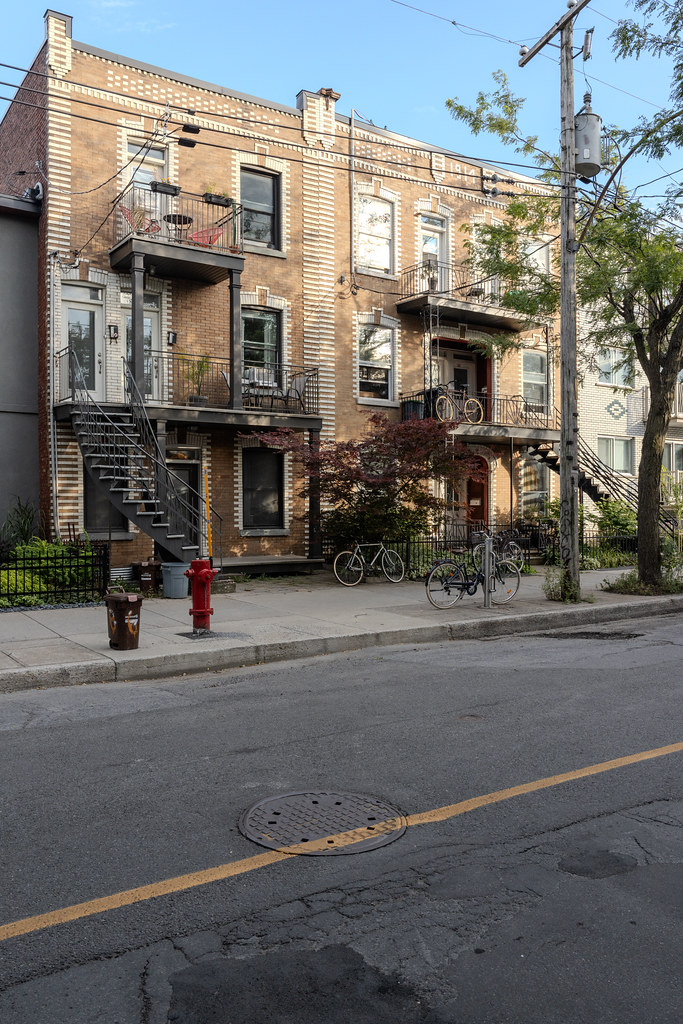
Document every visible component: the roof, visible foundations, balconies, stairs, common doors, the building’s mechanical systems, parking, the exterior cladding. For each of these, note what you know: when it was installed, repaired, and what appears to be nearing the end of its useful life.
This is the kind of mandate that an entrepreneur like Bricopro goes on a visit to: traveling around the building, taking photos and organizing what documents your maintenance decisions, so that the file is ready when the professional arrives.
Step 3: Choose the right professional
The regulations are strict regarding who can establish or revise the book: a member of the Order of Engineers, the Order of Architects, the Order of Professional Technologists or the Order of Accredited Appraisers, who primarily works in management, construction, renovation, appraisal or real estate inspection. And it must be independent of the building: no co-owner, no administrator, not the manager.
Two common traps in small syndicates:
- Take the first name found. Ask what the booklet covers for the price submitted: the on-site visit, the 25-year section with the target years, the signed declaration attesting to the on-site examination. Compare at least two offers.
- Believing that the union can sign itself. No. The book must be drawn up and signed by a qualified professional. What the council can and must do: update it every year, a full obligation of the regulation.
Small air gaps for very small buildings: if your building has no more than 8 private units, no more than 3 above-ground floors, or no common areas within the building, professional inspection may only be required every 10 years instead of every 5.
Step 4: Plug the notebook into your assembly
This is the step that no one anticipates. The notebook doesn’t end up in a drawer: it funds your retirement savings and your AGA.
- The association must make the booklet and the study of the provident fund available to the co-owners within 60 days of their receipt. If your AGM falls within this timeframe, the documents will be returned to the co-owners before the meeting.
- After the first study of the provident fund, the board sets the amounts to be paid to the fund no later than 30 days after the first annual meeting that follows. Until then, the minimum deposit remains 5% of contributions to common expenses.
- The study of the provident fund is calculated based on major repairs and replacements recorded in the book over 25 years. A shoddy book is a flawed study, and the contributions derived from it.
Translation for your next AGM: Homeowners will see costs rise, and they will ask questions. Coming with a spreadsheet and study that explains every dollar is the difference between a 40-minute meeting and a stormy evening.
The simplest starting point
If your advisor doesn’t know where to start, start small: a day of research (step 1), a tour of the building with photos (step 2), and a call to two qualified professionals (step 3). The rest follows.
And if you want the land portion to be done by an RBQ-licensed contractor who already knows the Montreal condominium market: that is exactly the offer we can make. Deliberate, the service of Bricopro. Visit of your building, photographic and documentary dossier ready for the professional — and while we’re here, we can also relieve you of the drafting of the minutes of your AGA.
