

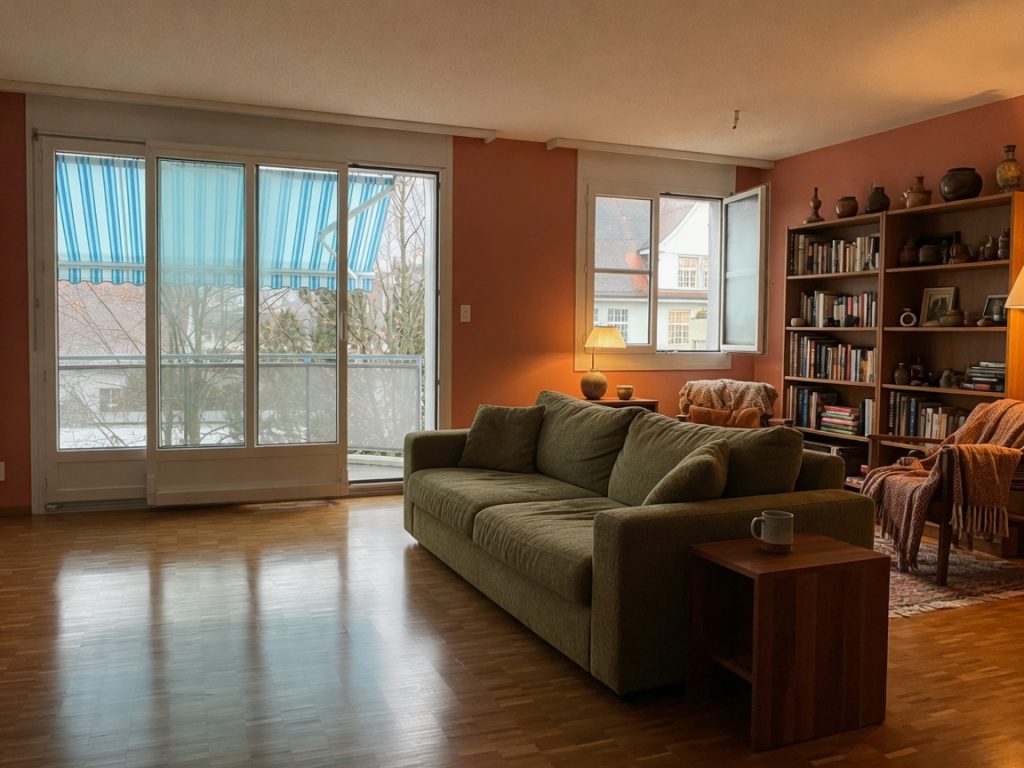
I spent hours in there. Vogue, Elle Decor, Martha Stewart, the 2026 Houzz exterior study, and way too many designers talking to me on YouTube. There's some interesting content, and there's content that mostly smells like the design industry inventing problems for itself to sell you more paint. (We sell paint and painting services at Bricopro, so trust me—I know the difference between a real trend and a sales pitch.)
Here is the honest version of what is happening in homes this summer — what is actually moving, what is marketing, and what you might feel like doing.
The big change: people are renovating for themselves
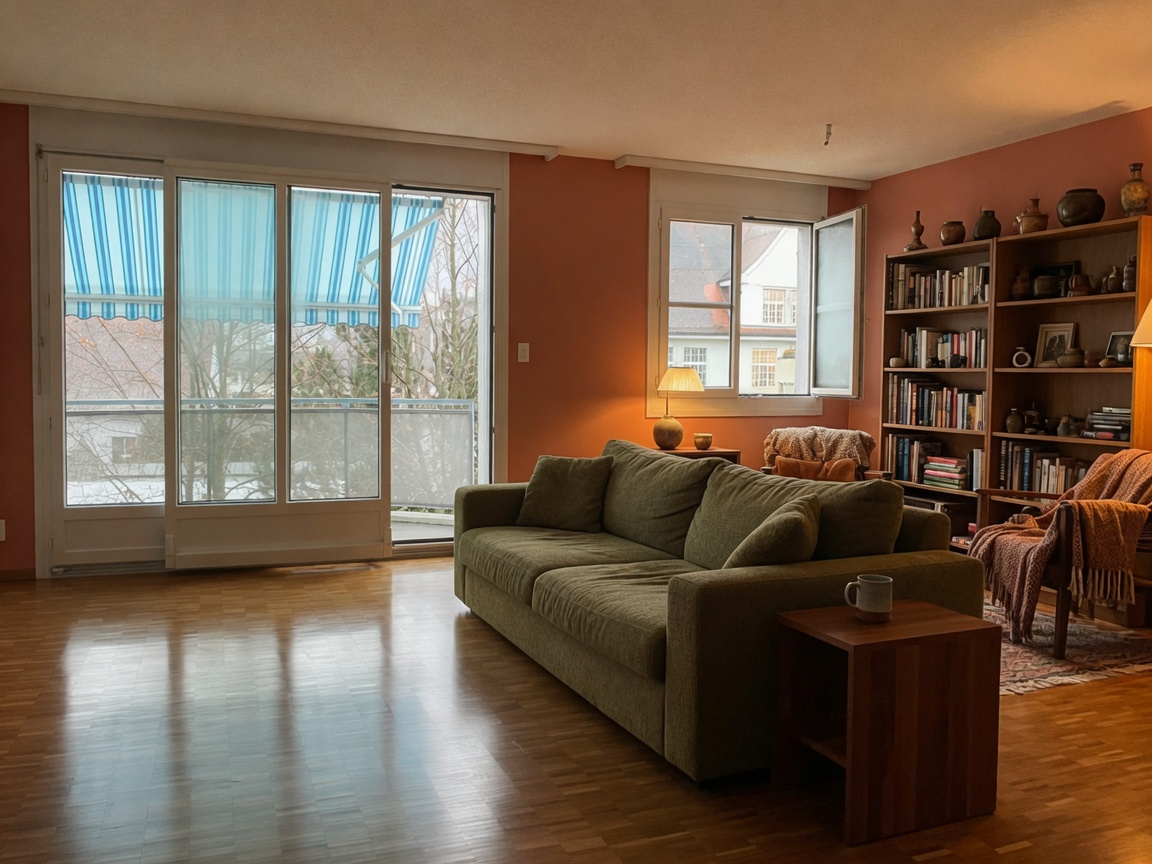
The Houzz study revealed a telling statistic: only 15 % of homeowners renovate to increase resale value. That’s down from 19 % in 2024. Most people make changes because they want to enjoy their home, not because they’re worried about what a future buyer will think.
It is not just a statistic — it explains a lot of trends. Furniture is getting bigger and softer. Designers are using the phrase «fat furniture» without irony. Recliners are back and trendy — something I definitely did not have on my 2026 bingo card. Color is saturating entire rooms instead of hiding in decorative pillows. The outdoor patio is treated as an extension of the living room rather than the place where the barbecue is put and forgotten.
Interior design: what is trendy, what is marketing, what is just repackaging
Gray is dead. Finally.
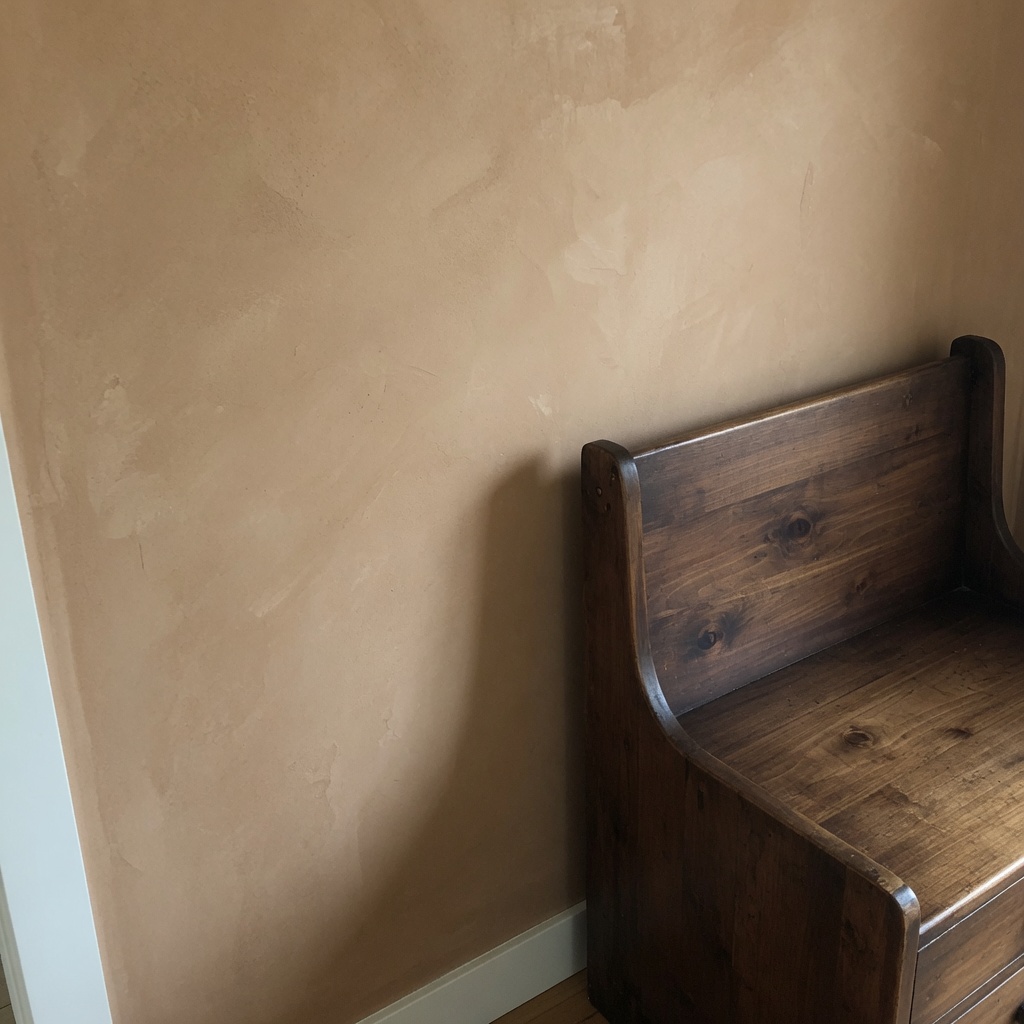
The palette this year: terra cotta, raw umber, olive, chocolate brown, pistachio, soft sky blue. Burgundy and brown where neutrals used to go. Designers choose colors based on how a room vit — not the way she photographs herself.
If you’re looking at your gray walls right now and feel like making a change, a fresh coat of paint is the most affordable renovation you can do. We do interior painting at Bricopro, and the transformation people get from a 500 $ room refresh rather than a 5,000 $ renovation is honestly hard to beat. Something to consider before tearing down a wall.
Blue is everywhere. Dulux named Moody Blues their color of the year (a bold cobalt called Free Groove). Farrow & Ball's Sizing is that soft icy blue that keeps popping up in my feed. Warm whites with yellow undertones are being dubbed «the paint color of the next decade» by some forecasters. I painted my own walls in West Highland White a while ago—yellow undertone—and it glows when the sun comes in. They might be onto something.
Color drenching has been repositioned.
Last year, everyone was painting the walls, moldings, and ceiling the exact same color. This year, it's called «color capping,» and the ceiling takes on a slightly different shade. Designer Kristen McGowan, who has been doing this for 16 years on YouTube, put it bluntly: «Just because you color-drenched your entire room doesn't mean you have to stop there. We need you to buy another gallon of paint.»
She isn’t wrong. But ceilings really are getting more attention — wallpaper up there, coordinated tones, treatments that would have seemed strange five years ago. It works well in spaces that lack natural light. It makes them feel intentional rather than just dark.
Houses are supposed to look lived-in.
The perfect catalog look, all coordinated, is over. Designers want spaces that seem to have evolved — vintage next to modern, handmade next to antique, an «intentional mess» that tells a story about the person who lives there.
Amanda from YouTube (she draws on Vogue, House & Garden, and half a dozen design sources) calls it the «lived-in revival.» She put it better than I did: «We are moving away from everything that looks too Pinterest-perfect, toward spaces that are beautiful in their slight irregularity.»
The practical advice of several designers: group your collections together instead of scattering them. A shelf of plates brought back from travels has more impact than a single plate on every surface.
Wood is experiencing a great moment.
Dark woods—walnut in particular—are making a comeback after years of ubiquitous light oak. Searches for burl walnut furniture have risen by more than 5,000 % over the past month. Imposing vintage Brutalist pieces. Exposed plywood panels. Designers treat the wood grain like a fabric, focusing on texture and warmth rather than viewing it simply as a surface.
Kitchens are also breaking free. The look of matching wall-to-wall cabinetry is fading. People are incorporating freestanding furniture into their kitchen layouts—like a vintage cabinet alongside modern cabinets. The kitchen should look like it was put together over the years, not ordered from a single catalog all at once.
Details before grand gestures.
2026 is not the year to paint a wall beige and call it a day. Hand-painted tiles are replacing subway tile. Fringe and tassels on sofas and armchairs. Monogrammed pillowcases. Murano glass vases that catch the light. Textile art—tapestries, woven pieces, even decorative rugs hung on walls. Plates and platters mounted like art in hallways and stairwells.
Tiles are becoming particularly interesting again. Mosaic is back. Small formats laid in unexpected patterns. Hand-painted patterns that look like true works of art, not what you would see in every quickly resold house in the neighborhood.
What designers say is outdated
None of this is an instruction to throw your stuff away. But if you are buying new, here is what the people paid to care about it say:
Fluted everything has reached its peak. Bouclé is being replaced by linen—bouclé still looks good, but too much bouclé feels like 2023. Wood slat accent walls feel outdated. Wavy mirrors. Pampas grass. Blanket ladders. Oversized woven pendant lights (especially the one from IKEA that everyone bought). And the all-light-oak look with white walls and black metal—that needs more warmth, more color, and more mixed materials to feel current.
Once again: keep what you love. These are indicators for future purchases, not a purge list.
Exterior: the backyard is expensive
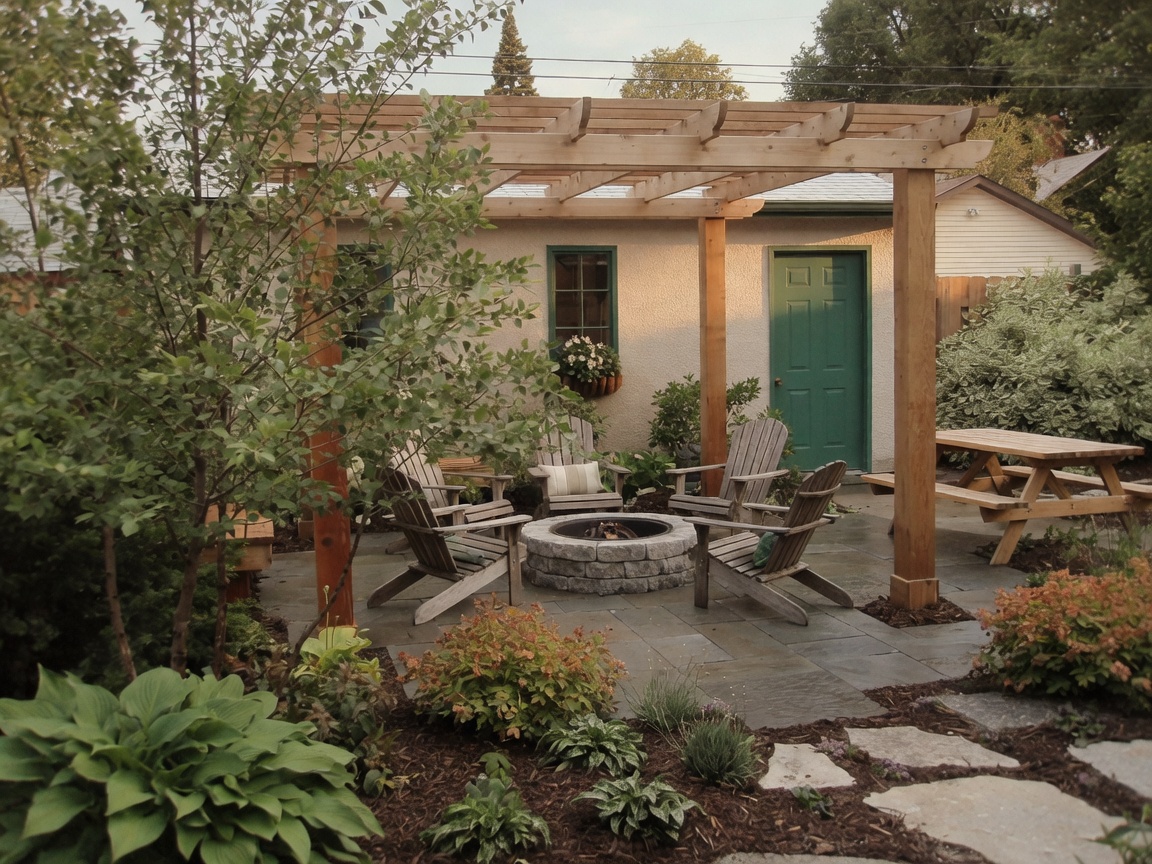
The outdoor renovation boom is not new, but it is getting more serious. Houzz surveyed nearly 1,200 homeowners and found that outdoor spaces are being treated like indoor rooms—with budgets, layout plans, and real infrastructure.
Outdoor living rooms with distinct areas.
Not «a nice terrace.» People want landscaping plans. Separate zones for cooking, dining, relaxing by the fire, and wellness. Kaitlyn Hall, a designer in Florida, says she receives briefs that include «an outdoor kitchen, a shaded dining area, a lounge with a fire pit, and a quiet area for yoga or cold plunges.»
75 % of buyers consider exterior landscaping a priority. These projects often recoup their full cost when the home is resold. Designers say that exterior renovations now receive the same attention as kitchen renovations—right down to the choice of materials.
Shade structures are everywhere.
Pergolas, gazebos, and covered patios have seen a 15-point jump in popularity—35 % of outdoor renovations now include one. It’s not just about looks. People want to use their yards when it’s 30 degrees or when it’s drizzling, and a pergola makes that possible.
Outdoor kitchens are getting serious.
95 % of outdoor kitchen projects start from scratch. Plumbing, electrical, and heating installations are up 10 points, reaching 68 %. Beyond the grill: beverage refrigerators (62 %), sinks (59 %), cooktops (36 %), and pizza ovens (29 %). One-third of people are installing outdoor TVs.
Less lawn, more low-maintenance plants.
Drought-tolerant plants: 49 %. Native plants: 55 %. Low-maintenance varieties: 73 %. All have been on the rise since 2024. More than half of homeowners choose plants that attract pollinators. Natural grass is on the decline—artificial turf has jumped by 10 points, and rock landscaping by 7 points.
The native plant phenomenon isn’t just trendy, it’s practical. Less watering, less mowing, fewer chemicals, and they actually survive. We take on small landscaping contracts at Bricopro — native flower beds, pollinator zones, rock accents — for people who want a yard that looks great without becoming a part-time gardener. If that fits your style, we can help you.
Beige is back on the facades. Black moldings have taken over.
The popularity of beige exterior walls has risen from 10 % to 24 % in two years. White and gray have declined. Black trim is now the most popular choice at 39 %—white trim has dropped to 19 %. Two-thirds of homeowners choose different colors for their walls and trim. The monochromatic “box” look is fading.
The court-station-resort phenomenon is very real.
Cold plunges. Saunas. Yoga decks attached to the primary bedroom. Cascading pools with floating steps. Montana designer Adriena Daunt describes what her clients now expect: «A summer evening barbecuing by the fire, a crisp autumn morning doing yoga, a spring afternoon open-water swimming from the lakeshore, or a winter cold plunge followed by a sauna session.»
The boundary between the home and the yard is becoming blurred, in the best possible way. Outdoor lighting has improved too—chandeliers, rechargeable lamps, dimmable lanterns. Way beyond string lights. Some are even bringing maximalism outdoors—bold patterns on rugs and cushions, tropical prints, color where beige would have been seen before.
In summary
If you are undertaking something in your house this summer, here is where I would focus my attention:
Warm up your colors. Gray has had its decade. Make your yard usable in all seasons — shade, distinct zones, good lighting. And stop trying to make everything match perfectly. The homes where people actually want to be are the ones with personality, objects that have meaning, traces that a human being lives there.
Houzz's figures tell a pretty clear story: people are doing this for themselves now, not for the next owner. It stands to reason.
Are you planning to tackle one of these trends this summer? We do interior painting and small landscaping contracts at Bricopro — the kind of projects that make a real difference without compromising your whole summer. [👉 Request a quote]
Sources: Vogue, Elle Decor, Martha Stewart, 2026 Houzz US Outdoor Trends Study, Business Insider, StoneGable Blog, Century 21 Redwood, Unilock, and YouTube creators Kristen McGowan, Amanda (@rachlyomm), and Kristen McGowan (10 outdated trends).
