

Painting a room seems simple: buy the paint, protect the floor, and book a weekend. On a small wall that is already in good condition, the calculation may hold up. But as soon as repairs need to be made, furniture needs to be moved, cuts need to be made, or a new coat of paint needs to be applied, the savings quickly run out.
The trap isn’t always the price per gallon. It’s all the things we forget to count around.
The cost starts before the first roll of the roller

Paint adheres well to a clean, dry and well-prepared surface. Therefore, you must wash the walls, seal the holes, sand the repairs, remove the dust and apply a primer when the surface requires it. Benjamin Moore recalls that poor preparation can lead to splitting or crusting.
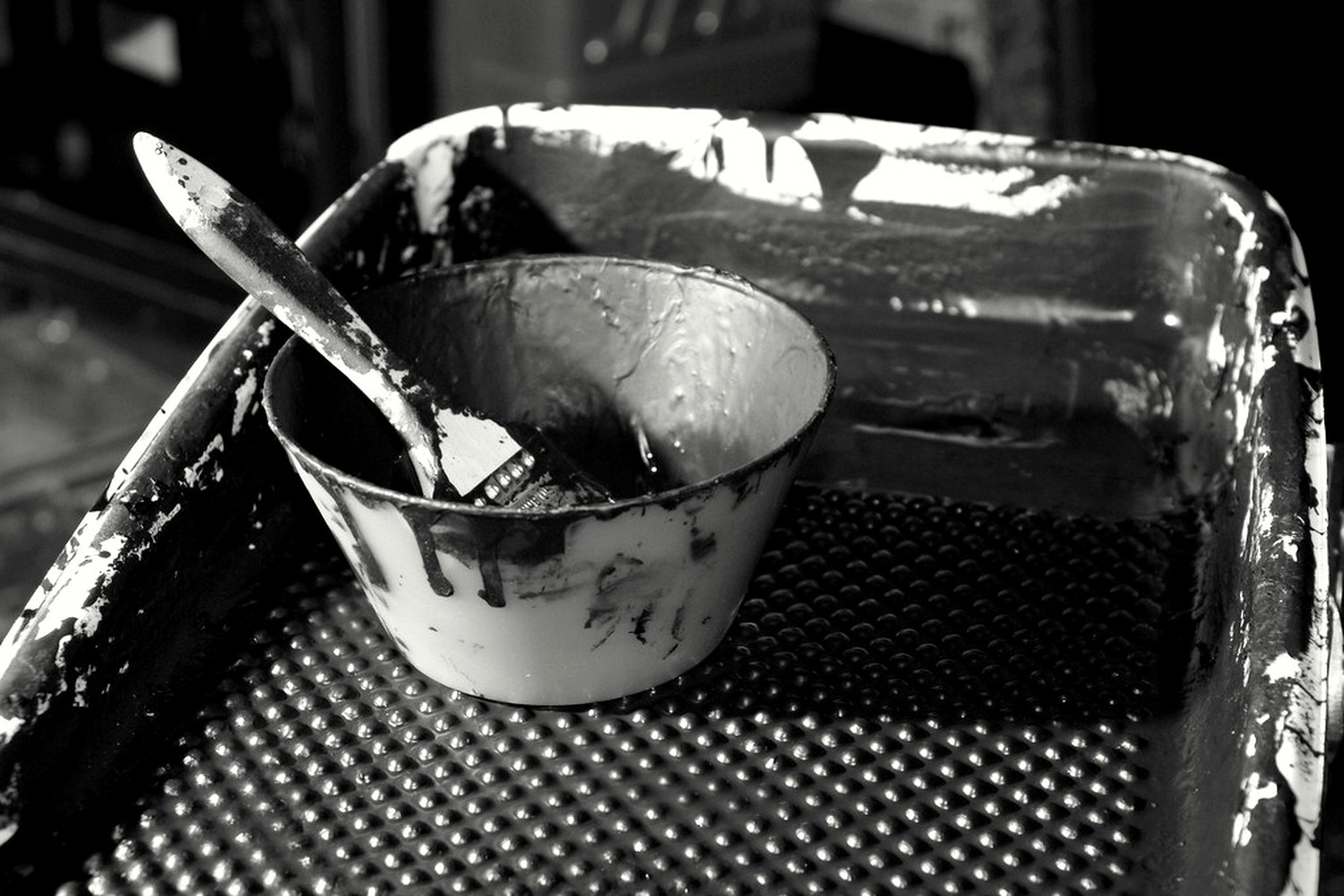
These steps mostly take time. Add the tarpaulins, tape, sleeves, brushes, extenders, scaffolding, and repair products. Some of this equipment may remain in storage after just one use.
A recovery can wipe out the entire economy
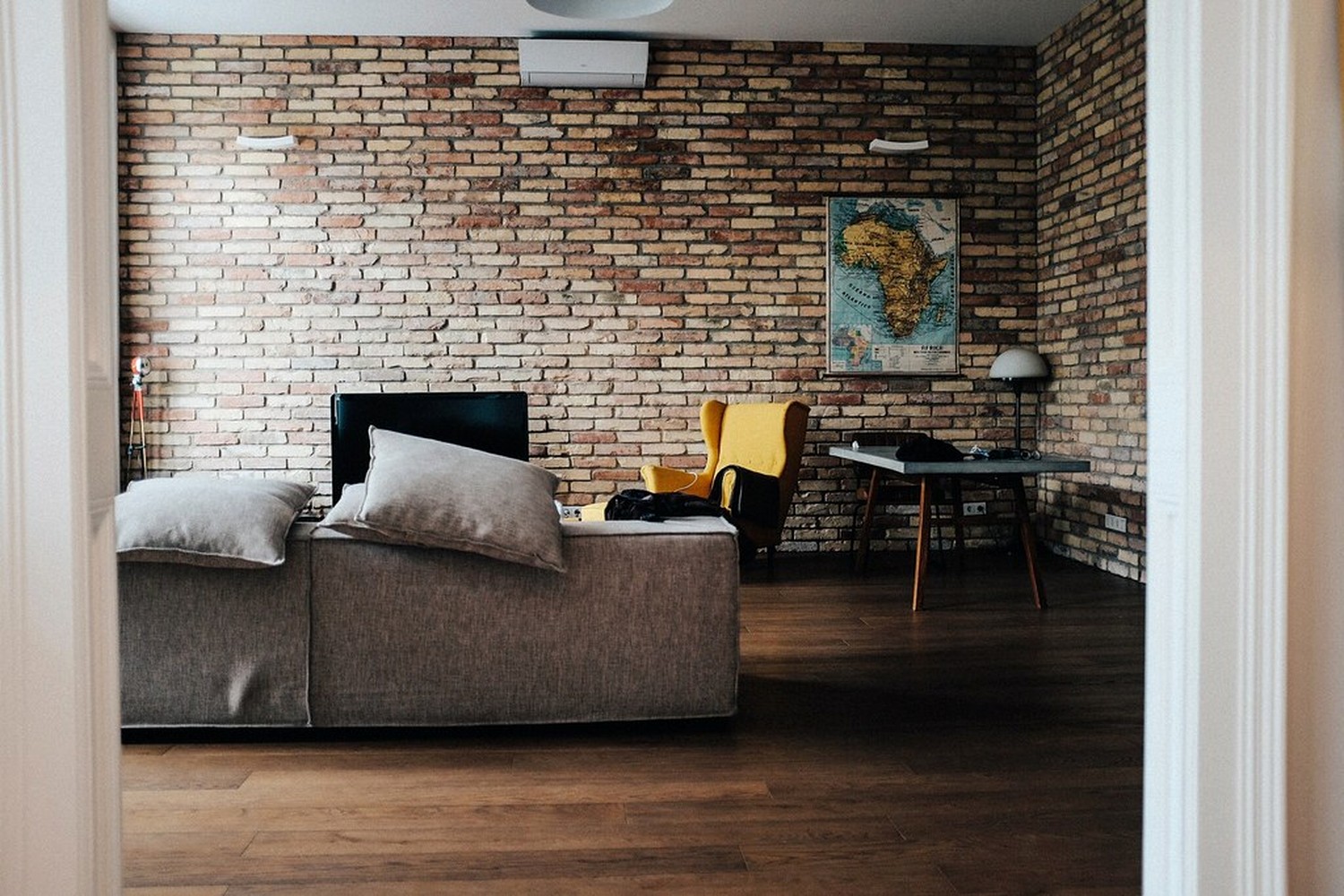
Defects often appear when light hits the wall: roller marks, uneven cuts on the ceiling, more brightly lit areas, trapped dust, or even visible repairs. Fixing the result sometimes requires a new sanding and a complete coat, not just a touch-up.
The drying time indicated on the container must also be respected. Covering too quickly can leave an uneven finish. For a dark color, a new wall or a significant change, primer and a second coat become difficult to avoid. The guide Benjamin Moore on wall painting It is recommended to apply at least two coats of finish to obtain a uniform color.
A weekend can then become three evenings, then another day for corrections. If the room needs to be released quickly, this time frame has real value.
The right choice depends mainly on the condition of the room
DIY is still logical for an accent wall, a small empty room or a surface that is already smooth, especially if you have the tools and experience. A professional often becomes more cost-effective when there is a lot of repair work, high ceilings, multiple cuts, woodwork, or a tight schedule.
Before buying, make a complete inventory: preparation, materials, number of layers, protection, cleaning, and recovery time. Then compare this total with a detailed quote. At Bricopro, we first assess the condition of the surfaces and the expected finish level. This way, you can decide based on the real costs you face, not just the price of the paint.
