

A worn-out or outdated bathtub can make you want to tear everything down. That’s not always necessary. The decision is less about the color than about what’s happening beneath the surface.
If the bath and the walls are solid, dry and well sealed, professional resurfacing can provide a quick fix. If the panels are moving, the joints are opening or a dampness smell returns, it is better to open them and fix the problem.
When resurfacing is enough
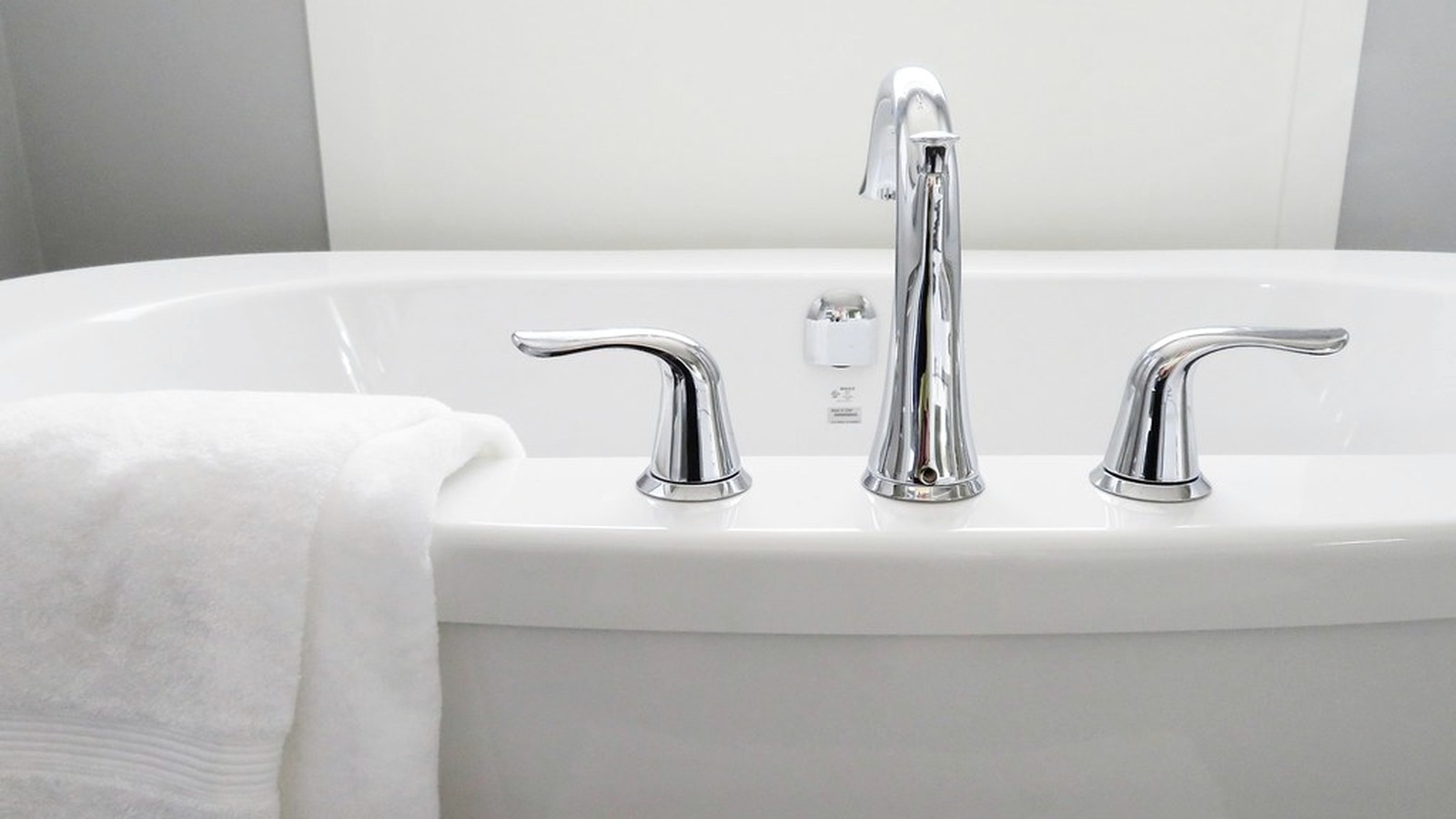
Resurfacing, sometimes called repainting, involves preparing the surface and applying a new coating. It is particularly suitable for cosmetic defects: dull finish, dated colour, spots or small surface marks. The bath and surrounding area remain in place, which limits demolition and debris.
Preparation makes all the difference. A poorly cleaned or wet surface can prevent the new finish from adhering properly. The products used also require proper ventilation and rigorous application. NIOSH Reminds that some demounting tools used in resurfacing pose serious risks when control measures are not adequate. For this type of project, professional work is preferable to an improvised shortcut.
The signs that require a replacement
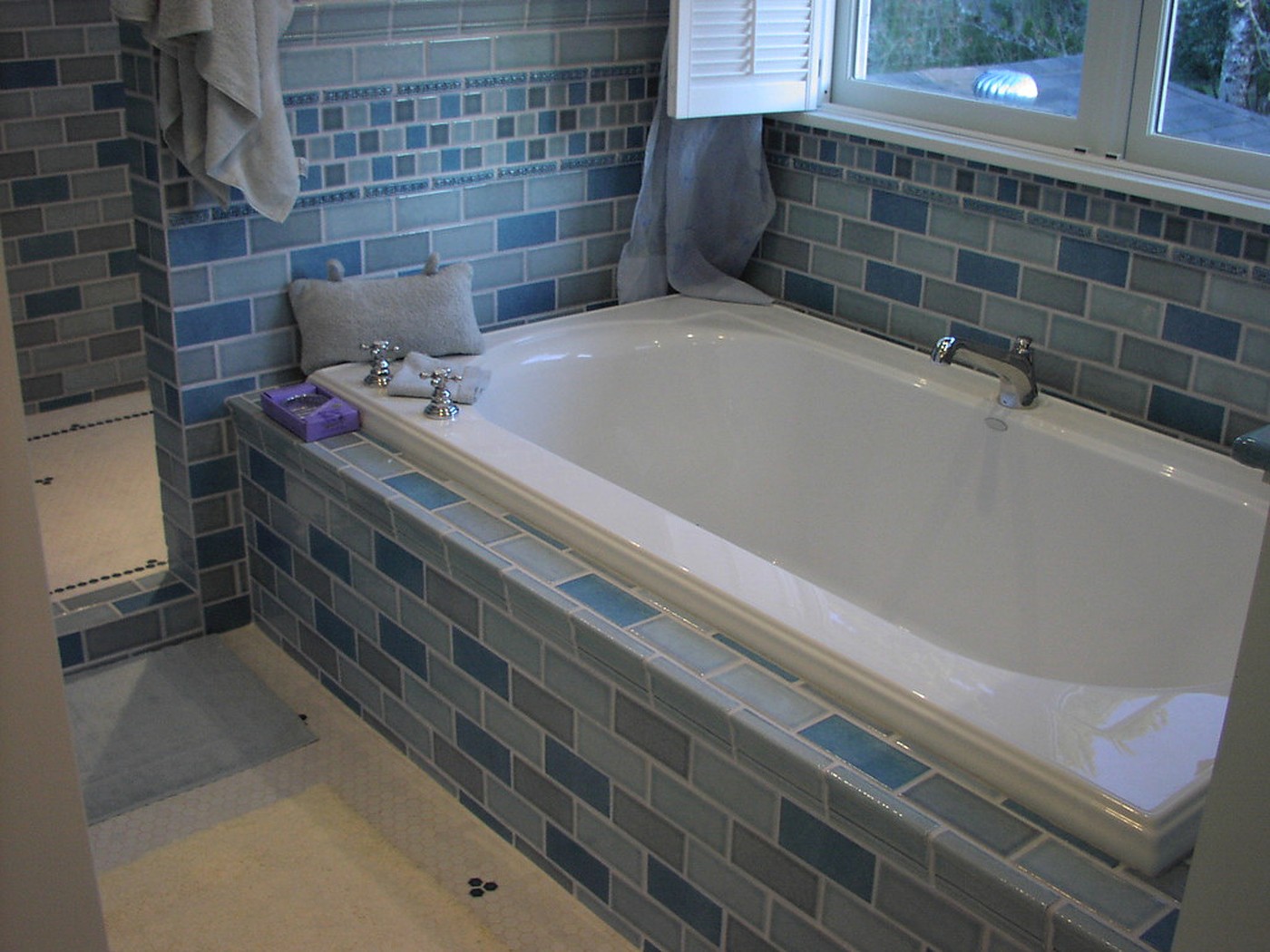
A beautiful finish does not repair damaged backing. Replace the contour if you see cracked tiles or panels, sections that flex, sealing that constantly opens up, stains that reappear, or a softened wall surface. Persistent odor also warrants an inspection behind the cladding.
Health Canada recommends repairing or replacing the tiles, grout and sealants damaged around the bath. Its guide on humidity and mold It also specifies that the source of the moisture must be addressed before the wall can be closed again. Painting or covering an affected surface only temporarily hides the problem.
Replacement becomes even more logical if you want to change the contour format, add a niche, or rebuild the entire wetland area. Once the wall is open, you can check the support and rebuild on a sound foundation.
The quick test before deciding
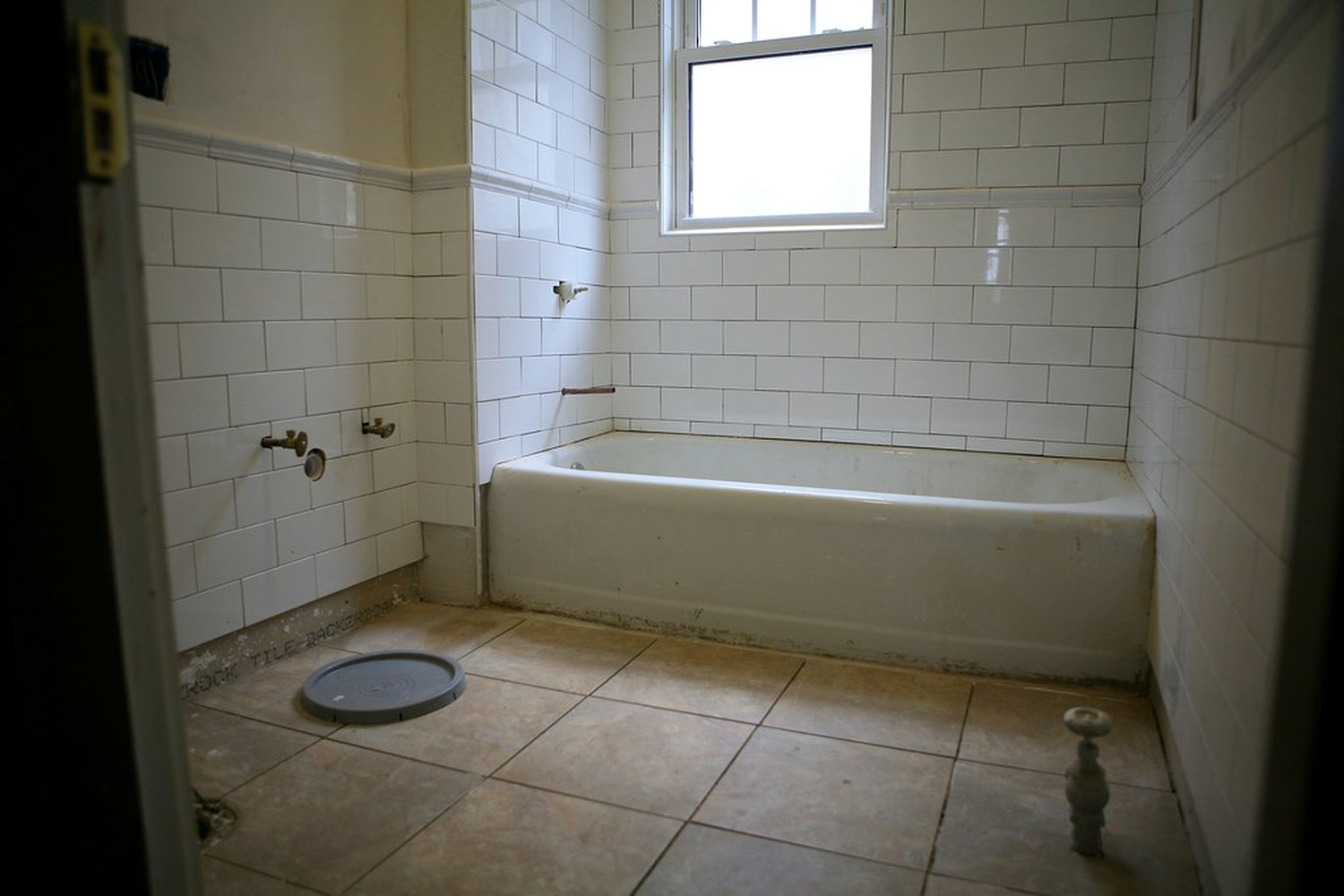
Run your hand over the walls and the rim of the bathtub. Nothing should move, bend or sound hollow in an unusual way. Look at the corners, the joints and the bottom of the rim. Look for cracks, stains and traces that reappear after cleaning.
The rule is simple: cosmetic defects on a sound base require resurfacing. Movement, moisture, or damage under the surface require replacement. This few-minute check can prevent paying for a new finish that will have to be removed a few months later.
Bricopro can assess the condition of the contour and plan an appropriate renovation, without requiring a replacement when the base is still in good condition.
👉 Request a quote from Bricopro
